
An invitation to reframe the “dieting” mindset.
Author: Jessie Podolak, Clinical and Community Resources Director
Think about the last time someone told you that you couldn't have something. Specifically, when someone said, “You shouldn’t eat that – it’s terrible for you.” What happened?
If you're like me, you may have raised your rebellious eyebrows, and you might have been tempted to order a super-sized portion of that exact tasty morsel, enjoying the horrified squirm of your advisor as they watch your slurp-fest of indulgence.
We have a natural tendency to resist restrictions, especially when they involve something we enjoy. It’s true that food is fuel, and it is vital to eat well. AND, food is also pleasure, tradition, celebration, comfort, and connection. When we turn healthy eating into a long list of strict rules or forbidden foods, we often make the whole process harder than it needs to be. This is especially true when we are just getting started with healthier eating.
What if we flip the script?
Instead of focusing on what to take away, let's talk about what to add.
Meet the Unsung Hero of Nutrition: Fiber
If nutrition had a popularity contest, protein would probably win. It's having a huge moment right now. (Congratulations, protein!) But there's another nutritional powerhouse that deserves a whole lot more attention: fiber.
Fiber is found in plant foods like vegetables, fruits, beans, lentils, whole grains, nuts, and seeds. And while it doesn't get the same press as protein, its benefits are remarkable.
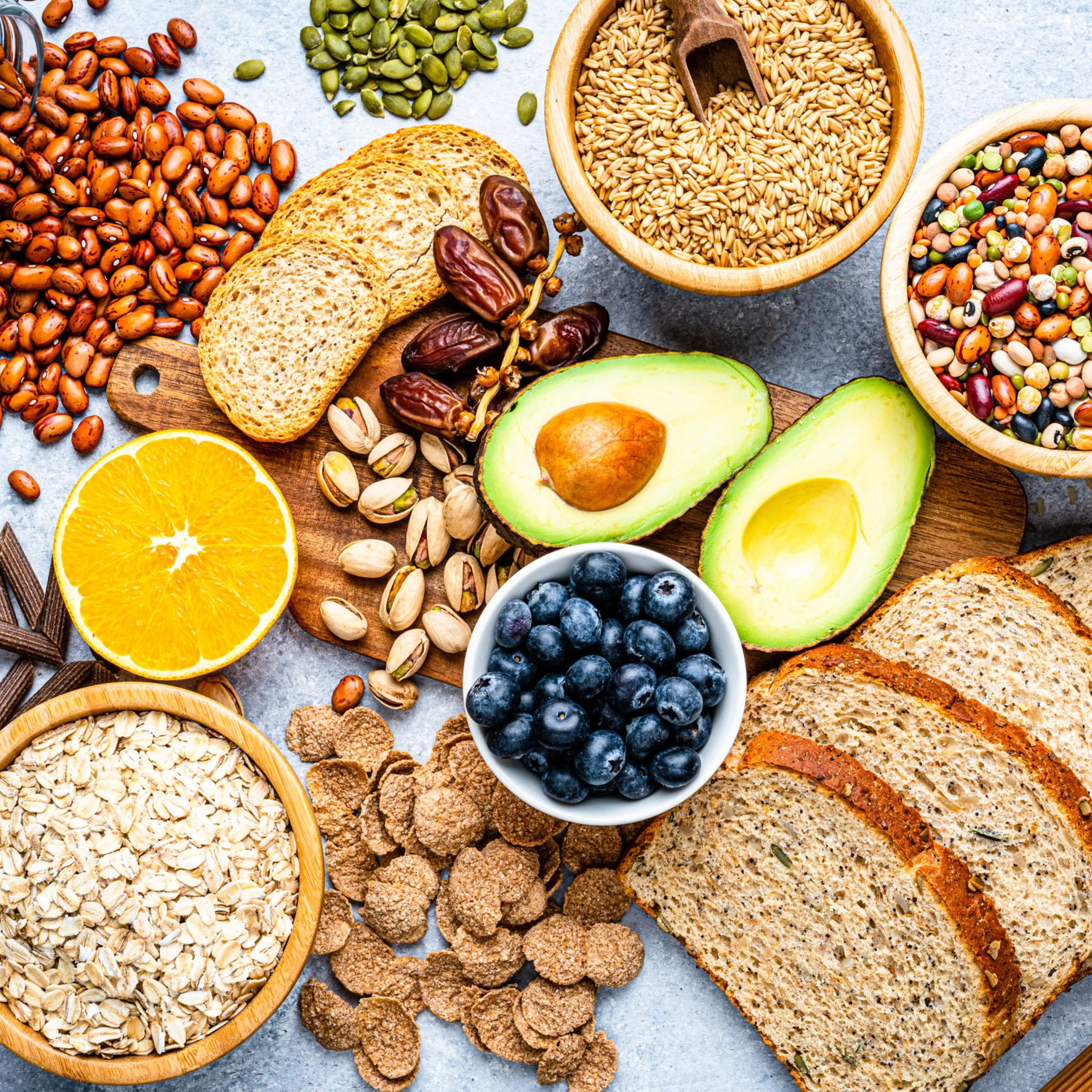
Fiber helps us:
Feel full and satisfied. Fiber helps us feel comfortably satisfied after eating, supporting fullness and appetite regulation.
Support a healthy gut. Certain fibers feed the beneficial bacteria living in our digestive system, which influence everything from digestion to immune function.
Keep blood sugar steadier. Fiber can slow the absorption of carbohydrates, helping reduce spikes in blood glucose.
Protect our hearts. Soluble fiber, found in foods like oats, beans, and apples, can help lower LDL cholesterol.
Stay regular. Our digestive systems appreciate a little help keeping things moving!
Despite being such an asset to our health, most Americans consume far less fiber than recommended. While general recommendations are around 25–38 grams daily for adults, average intake is only about 15 grams.
That's a pretty big opportunity to improve our health, simply by eating MORE of something!
The Magic of Crowding Out
Imagine your dinner plate. Instead of telling yourself you can't have pasta, what if you added a generous helping of roasted vegetables and some white beans to your favorite pasta dish?
You still get the pasta you enjoy, but now you've added fiber, protein, color, texture, and a whole lot of nutrients.
Or perhaps you love a bowl of ice cream in the evening. Great! Enjoy it occasionally. But what if, on some evenings, you first had a bowl of juicy berries (nature’s candy) with Greek yogurt, a few walnuts, and a sprinkle of dark chocolate? You might discover that you love this option just as much.
And sometimes, you might still choose ice cream.
That's not failure. It's freedom.
As we gradually add more nourishing, satisfying foods to our meals, they naturally begin to take up more space on our plates and in our routines. There's simply less room (and sometimes less desire) for foods that don't serve our health quite as well.
No food police required.
Five Simple Ideas to Add More Goodness
You don't need a complete kitchen makeover to get started. Try one of these small experiments:
Add a plant to breakfast. Berries in your yogurt, spinach in your eggs, or an apple alongside your toast.
Invite beans to the party. Toss chickpeas into a salad, black beans into your tacos, or lentils into your soup.
Make half your plate colorful. Add a second vegetable to dinner or try roasting a combination you've never had before.
Upgrade your snacks. Pair your favorite crackers with hummus, grab a handful of nuts, or enjoy an apple with peanut butter.
Sprinkle on some extra nutrition. Chia seeds, ground flaxseed, pumpkin seeds, or walnuts can add fiber, healthy fats, and texture to foods you already enjoy.
Pick just ONE. Practice it until it becomes easy. Then consider adding another.
(And a quick note to my fellow diet-culture-conditioned calorie counters: Yes, nuts and seeds contain calories. But they also bring fiber, healthy fats, and a host of valuable nutrients to the table. Perhaps it's time we stopped judging the value of our food by its calorie count alone. The benefits might just outweigh the numbers. Pun intended.)
Pro Tip: When it comes to fiber, adding little by little allows your system to adjust, keeping you comfortable as your health improves behind the scenes. That beans, beans, the magical fruit rhyme has some truth to it, so ease into it—your belly will thank you.
Small changes, repeated consistently, can create big results over time. One win begets another.
Progress, Not Perfection
Healthy eating isn't a test you pass or fail. It's a collection of choices you make over a lifetime.
Some days that means a beautiful, colorful, fiber-rich meal. Other days it means pizza with friends or ice cream with your grandkids. There's room for both.
The goal isn't dietary perfection. It's building a way of eating that nourishes your body, fits your life, and brings you joy.
So, instead of asking yourself, "What should I stop eating?" try a different question:
"What delicious, nourishing food could I add today?"
Start there. One small, satisfying addition at a time.
Less restriction. More nourishment. More joy.
